

Feeding your baby is one of the most important parts of early parenthood. It’s a time of bonding, nourishment, and learning; for both you and your little one. Whether you choose to breastfeed, pump, or use formula, the most important thing is that your baby is loved, fed, and thriving. Let’s explore the essentials around these various techniques involved in feeding your baby.
Breastfeeding
Breastfeeding is the art of ensuring your child gets the nutrition they need by feeding them with milk from the breasts. This is one of the major ways your motherhood journey as this is the means through which your baby gets most of their nutrition. It is recommended that mothers feed their babies exclusively with breastmilk for the first 6 months of their life. Breastfeeding should be continued alongside other forms of food till a child is 2 years old.
While breastfeeding, your baby’s posture is essential; it is important that the posture is right. This is achieved by ensuring that their chin is pressed into the breast and their nostrils are clear for breathing. On your end, your nipple should aim for the roof of your baby’s mouth. This posture is called Latching and it is essential to ensure your baby is fed without any hindrances and and your baby as a hitch-free feed.
The Importance of a Good Latch
A comfortable and effective latch helps your baby feed well and protects your nipples from soreness. Signs of a good latch include:
- Your baby’s mouth covers a large part of the areola, not just the nipple.
- You can see slow, rhythmic sucking and hear swallowing.
- Feeding feels like a gentle tugging rather than pain.
If latching feels uncomfortable or painful, seek help early from your midwife, health visitor, or a breastfeeding support group. A little adjustment can make a big difference in the way you and your child experience the breastfeeding event.
Breast Pumping: An Option for Flexibility
Some women choose to express their milk using a pump. Pumping can be useful if: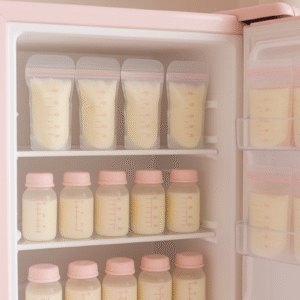
- Your baby is unable to latch at first.
- You want to share feeding with a partner or caregiver.
- You’re returning to work or need more flexibility.
Expressed breast milk provides the same nutrients and antibodies as milk taken directly from the breast. It can be stored safely in sterilized containers in the fridge or freezer, ensuring your baby still benefits even when you are unable to physically feed them yourself.
Breastfeeding and Formula Feeding: The Benefits
Breastfeeding provides many benefits for you and your baby, it:
- Provides antibodies that protect your baby from illness.
- Tailors nutrition to each stage of your baby’s growth.
- Supports bonding through skin-to-skin contact.
- Reduces the risk of illnesses like type 2 diabetes, high blood pressure, breast and ovarian cancers for the mother.
- Reduces the risk of some diseases for the baby. Children that are breastfed are less likely to come down with diseases like Type 1 diabetes, asthma, obesity amongst others.
Formula feeding benefits include:
- It enables a safe and nutritionally complete alternative when breastfeeding isn’t possible or chosen.
- It provides avenues for other people asides you to support in the feeding of yo
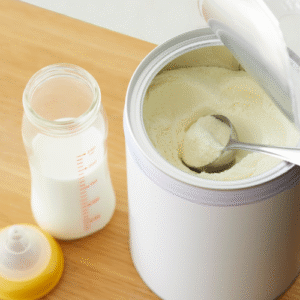 ur baby.
 - It can also help ease pressure on mothers who may feel overwhelmed.
While breastfeeding is more prioritized as a mode of feeding, the choice of feeding method lies with you as the mother as well as with other medical personnel that support you in this journey (in the case of a health condition that could impact your decision). Both options ensure babies grow strong and healthy. What matters most is finding a feeding journey that works for you and your family.
Nipple Care and Engorgement Management
It’s common to experience sensitive nipples or breast fullness in the early weeks. Here are some tips to help you care for yourself while breastfeeding:
- For sore nipples: Ensure a good latch, use breast milk to soothe the skin, and allow nipples to air dry. You can also use breathable nursing pads and lanolin creams for comfort.
- For engorgement: Feed your baby frequently, apply warm compresses before feeding, and use cold compresses after. Gentle hand expression can also help soften the breast so your baby can latch more easily.
Most nipple soreness or engorgement improves with time as your body and baby adjust. If pain persists, don’t hesitate to ask for support.
A Reassuring Word
Breastfeeding is a journey, and no two experiences are the same. Some women breastfeed exclusively, others pump or combine breast and formula feeding—and all are valid, loving choices. Give yourself grace, seek support when you need it, and remember that caring for yourself is just as important as feeding your little one.
You’re doing wonderfully, mama. And remember, your midwife cares about you.